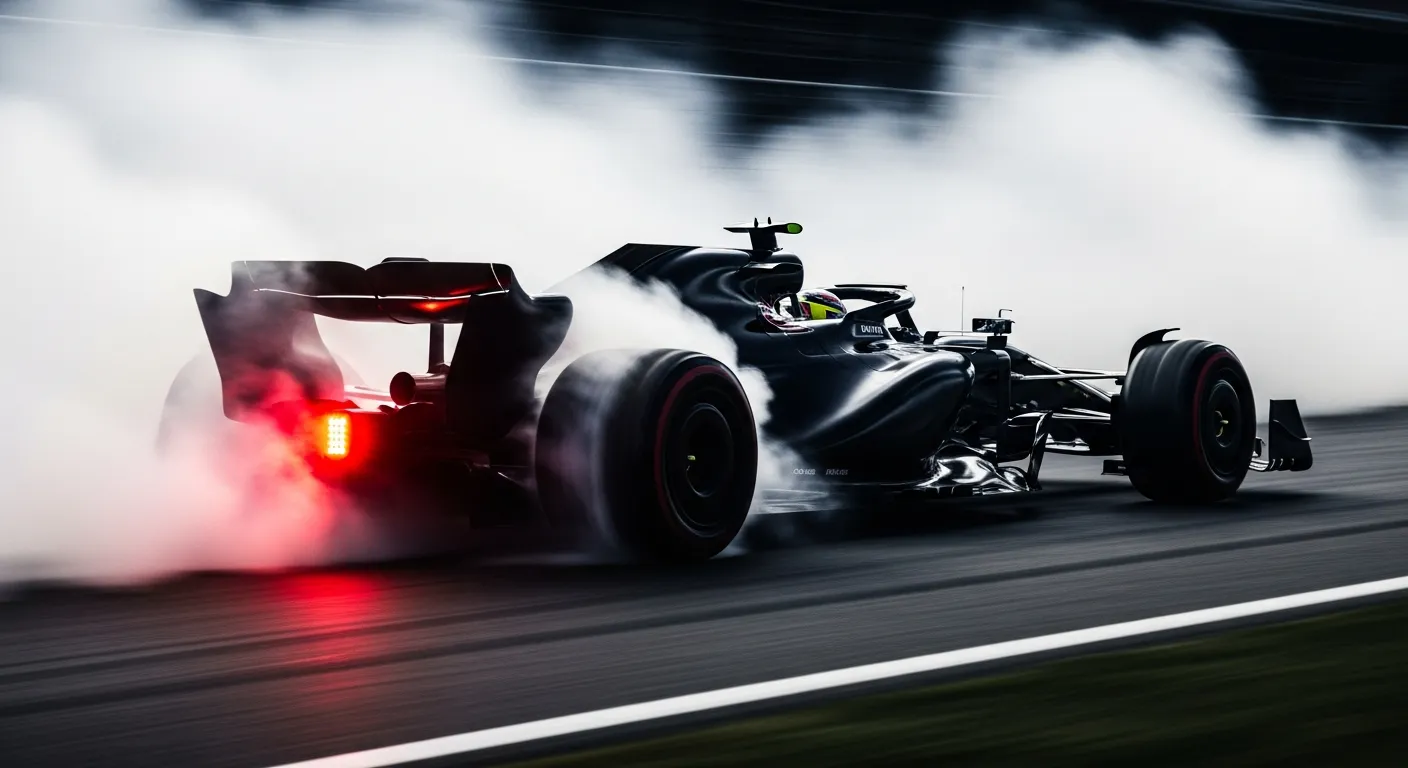
Fernando Alonso's enduring presence at the São Paulo Grand Prix is defined by a remarkable consistency and an ability to extract maximum performance from his machinery, often in challenging circumstances. With 22 starts at the permanent Autódromo José Carlos Pace, Alonso has secured an impressive 9 podium finishes, a testament to his adaptability and race craft over two decades in Formula 1. His best finish here is a second place, achieved three times: in 2006 with Renault, 2008 again with Renault, and 2012 with Ferrari, yet a victory at Interlagos has remained just out of reach.
The undulating, anti-clockwise nature of Interlagos, combined with its often-abrasive track surface and the potential for sudden weather shifts, plays directly into Alonso's strengths as a driver who thrives on technical challenges and strategic nuance. His capacity for precise car placement and astute tyre management has frequently seen him elevate cars beyond their expected performance envelope on this circuit. This was particularly evident in his 2023 podium with Aston Martin, a performance that underscored his continued relevance and skill even in the latter stages of his career.
Alonso's journey at Interlagos began in 2001 with Minardi, a challenging debut that ended in retirement. However, his first podium came swiftly in 2003 with Renault, signaling a long and fruitful relationship with the circuit. He has competed here with five different constructors—Minardi, Renault, McLaren, Ferrari, Alpine, and Aston Martin—demonstrating a consistent ability to adapt to varying car characteristics and team strategies. His performances have often been pivotal, such as in 2005 when he secured his first World Championship here, albeit with a third-place finish in the race itself. For a broader understanding of the sport's history, the Wikipedia page on Formula One offers detailed context.
The São Paulo Grand Prix demands a unique blend of aggression and patience, particularly through its iconic Sector 1, which transitions from the fast Reta Oposta into the challenging Senna S. Alonso's ability to navigate these high-speed sections while preserving his tyres for the tighter, more technical Sector 2 and 3 has been a hallmark of his strong showings. His experience is a significant asset, allowing him to read the race development and react to changing track conditions with a level of insight few can match. This strategic depth is something we also observe in drivers like Lance Stroll at the Japanese Grand Prix, where circuit knowledge and adaptability are paramount.
While wins have eluded him, Alonso's consistent points finishes and podiums at Interlagos contribute significantly to his overall career tally, as detailed in comprehensive F1 data archives like Jolpica/Ergast's season data. His approach to race weekend, from mastering qualifying to executing a flawless race strategy, is often a masterclass in maximizing potential. Fans eager to follow the latest developments and official news can always turn to the Formula 1 — official site for real-time updates. Whether driving for a front-running team or battling in the midfield, Alonso at Interlagos consistently delivers compelling racing, making him a perennial threat for strong results. His ability to perform on tracks with varying demands, much like Lance Stroll at the Bahrain Grand Prix or even the precision required at Lance Stroll at the Monaco Grand Prix, highlights his versatile skill set.