Track record
Source: Jolpica F1 API- Starts
- 1
- Wins
- 0
- Podiums
- 0
- Best finish
- P18
- DNFs
- 0
- Points
- 0
Every appearance
| Year | Team | Grid | Finish | Pts |
|---|---|---|---|---|
| 2025 | Kick Sauber F1 Team | P20 |
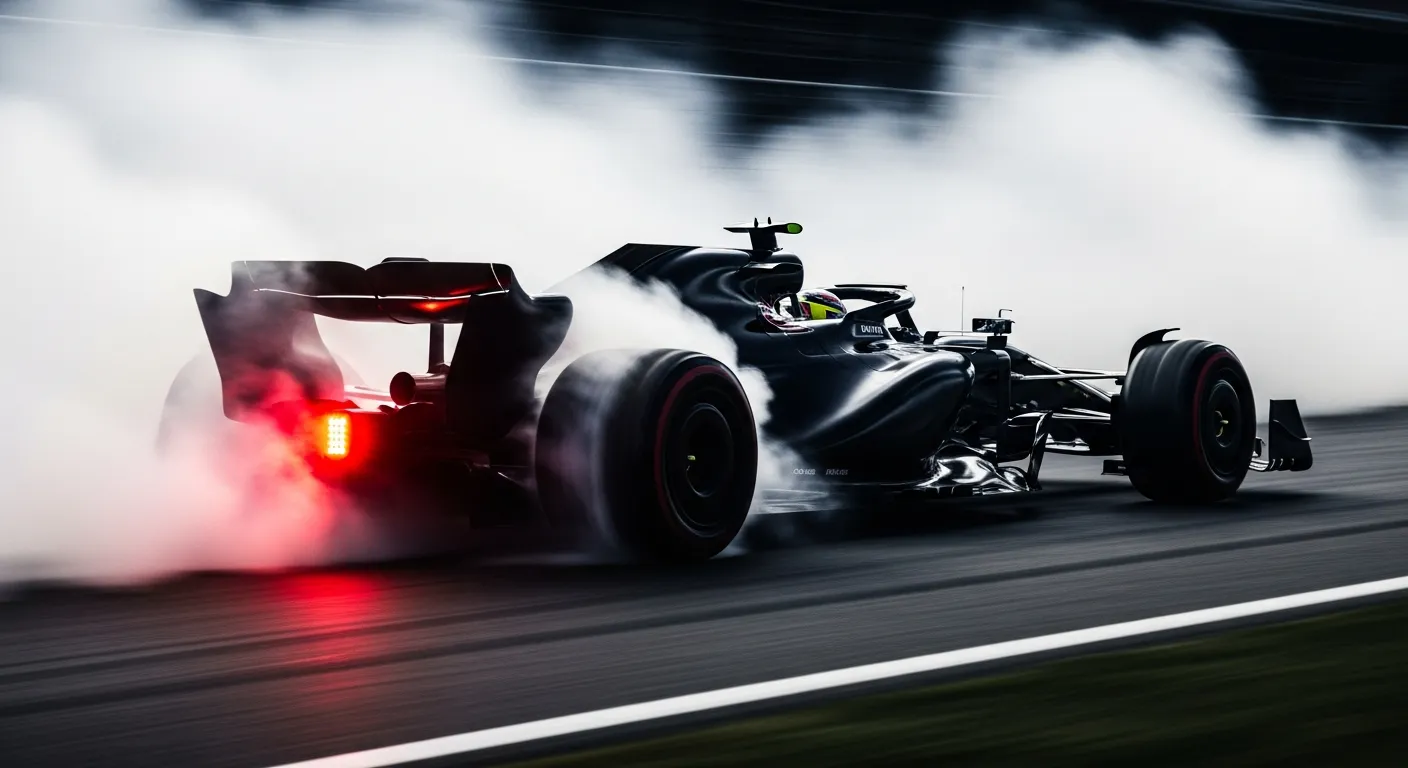
Driver × Circuit · street
Gabriel Bortoleto's single appearance at the Saudi Arabian Grand Prix in 2025 saw him navigate the demanding Jeddah street circuit to an 18th-place finish for Kick Sauber.
| Year | Team | Grid | Finish | Pts |
|---|---|---|---|---|
| 2025 | Kick Sauber F1 Team | P20 |
| P18 |
| 0 |
Gabriel Bortoleto's debut at the Saudi Arabian Grand Prix in 2025, culminating in an 18th place finish, offered an initial glimpse into his adaptation to one of Formula 1's most demanding street circuits within the Kick Sauber machinery. His sole appearance at Jeddah saw him start from 20th on the grid, ultimately crossing the line 18th, a lap down. This result, while not yielding points, provided invaluable experience on a circuit that punishes even the slightest error for a rookie.
The Jeddah Corniche Circuit is renowned for its high-speed nature, a stark contrast to many traditional street circuits. Its long straights punctuated by rapid, blind corners demand absolute precision and a car with strong aerodynamic stability. For a driver in his first F1 season like Bortoleto, this presents a significant challenge. The circuit's unforgiving walls mean that pushing the limits requires immense confidence, something that often develops over multiple appearances. The Kick Sauber car, in its 2025 iteration, would have been working to find a delicate balance between straight-line speed for the long runs and sufficient downforce for the numerous high-speed sweeps.
Bortoleto's performance in 2025 can be viewed through the lens of a driver learning the intricacies of both the circuit and Formula 1 machinery under intense race conditions. While his best finish stands at 18th from that single outing, the experience gained in managing tire degradation on such a fast track and navigating the close-quarters racing inherent to a street circuit is crucial for future development. Comparing this to the challenges faced by drivers like Lance Stroll at the Azerbaijan Grand Prix, another high-speed street circuit, highlights the unique demands these venues place on both driver and car setup.
The technical characteristics of Jeddah, with its numerous heavy braking zones and quick changes of direction, require a finely tuned car. Kick Sauber's engineers would have been focused on optimizing brake bias and suspension settings to maximize performance through the challenging Sector 1 and the flowing Sector 2. Drivers often report that finding a rhythm at Jeddah is key, and any setup compromise can severely impact lap time. This is a common theme across demanding street circuits, much like the strategic considerations seen at Lance Stroll at the Singapore Grand Prix, where precision and consistency are paramount.
For Bortoleto, the Saudi Arabian Grand Prix represents a foundational experience. His 0 wins and 0 podiums at this circuit are reflective of a rookie season and the competitive landscape of the grid. However, the data from his single appearance, available via sources like Jolpica/Ergast's F1 season data, provides a baseline for future comparisons. Understanding how a driver adapts to such a high-stakes environment is critical. The official Formula 1 website often provides detailed technical analyses of circuits, which underscores the specific demands of Jeddah. Furthermore, a broader understanding of Formula One's history and regulations helps contextualize the challenges faced by new entrants like Bortoleto. The learning curve at a circuit like Jeddah is steep, and every lap completed is a step towards mastering the craft. This initial outing sets the stage for how Bortoleto might approach similar high-speed, high-commitment tracks, perhaps even offering insights into his approach to circuits with similar high-speed demands, such as Lance Stroll at the Belgian Grand Prix.