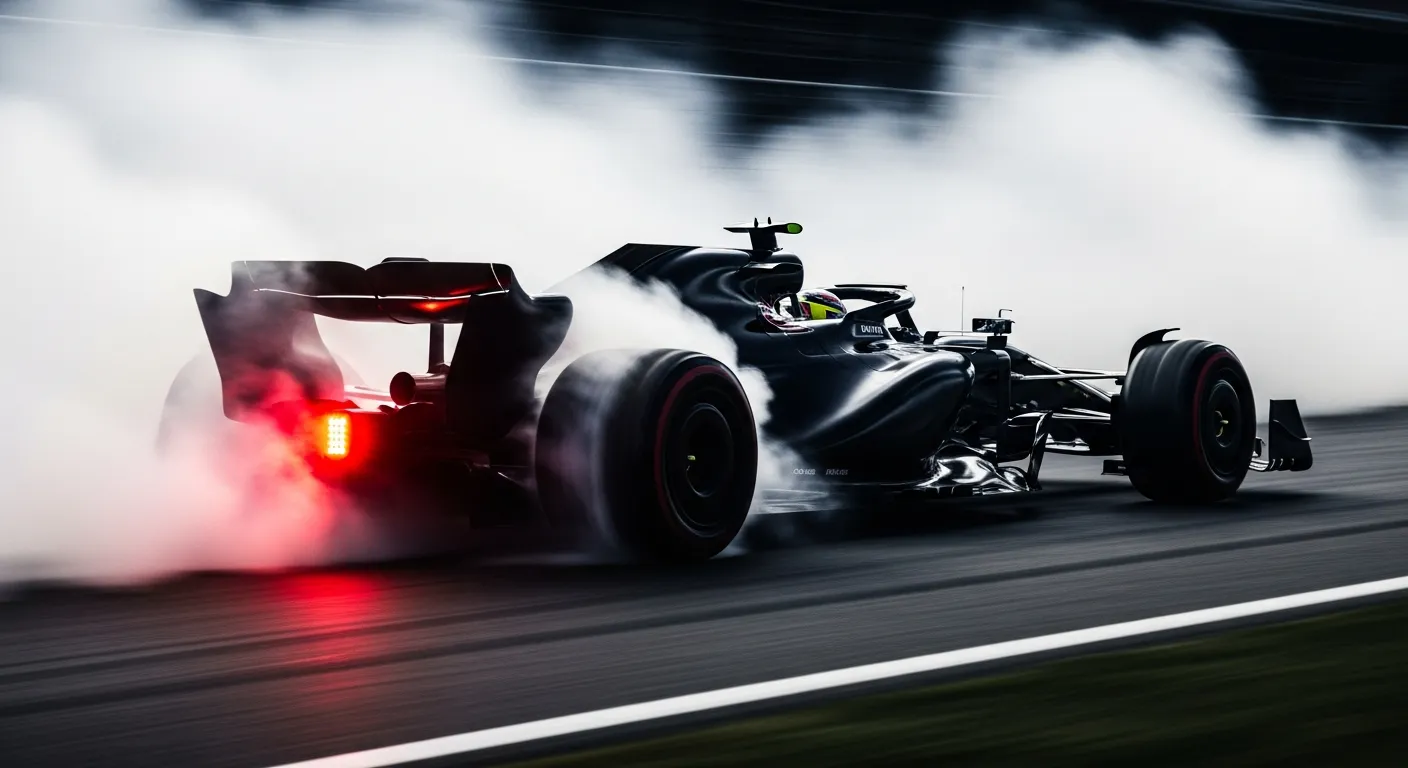
The MoneyGram Haas F1 Team's journey at the Azerbaijan Grand Prix has been largely defined by the unique demands of the Baku City Circuit, a venue that often exposes the team's car concept limitations despite a notable seventh-place finish in 2017. Across their nine starts at this challenging street circuit, Haas has recorded zero wins, zero podiums, and zero 1-2 finishes. Their best result remains that seventh place in 2017, which yielded six points, contributing significantly to their total of seven points scored at Baku. The lone additional point came from a tenth-place finish in 2024, otherwise, their appearances have largely seen them finish outside the points, typically around the 13th to 14th positions.
Baku presents a fascinating dichotomy: an incredibly long main straight, demanding outright power and low drag from the Ferrari power unit, contrasted with the tight, technical turns of the old city section, where mechanical grip and precise handling are paramount. For a team like Haas, finding a setup that effectively balances these conflicting requirements is a constant engineering puzzle. Historically, the team has sometimes struggled with achieving optimal aerodynamic efficiency, which can be particularly punishing on a circuit where straight-line speed is so critical. This balance is a familiar challenge for many teams, as seen in how different car philosophies perform at circuits with similar characteristics, such as Mercedes at the Canadian Grand Prix.
The 2017 performance stands as an outlier, suggesting that on certain occasions, the team has managed to hit a sweet spot with their package or capitalize on race incidents. However, the more consistent pattern of finishes outside the top ten indicates that the inherent characteristics of the Baku City Circuit do not consistently align with the strengths of the Haas chassis. The close proximity of the walls, typical of a street circuit like Mercedes at the Monaco Grand Prix, also places a premium on driver confidence and error-free running, adding another layer of complexity for any team aiming for points.
Under Team Principal Ayao Komatsu, the focus for Haas at Baku will undoubtedly be on optimizing their car for both the high-speed sections and the intricate low-speed corners. The Ferrari power unit provides a solid foundation for straight-line performance, but the overall package must deliver the necessary downforce and mechanical grip without excessive drag. Understanding the intricate data from previous seasons, available through resources like the Jolpica/Ergast — 2026 season data, is crucial for refining their approach. The team’s ability to manage tire degradation on this varied surface will also be a key factor, as will their strategic calls in a race often punctuated by safety cars. For a broader understanding of the sport's technical regulations, the Formula 1 — official site offers comprehensive details that underpin car design and performance.
Ultimately, Baku remains a formidable test for the MoneyGram Haas F1 Team. While the 2017 result proves that points are achievable, consistent performance demands a car that can adapt to the circuit's dual nature. The team's ongoing development, particularly in areas affecting mechanical grip and aerodynamic efficiency, will be under scrutiny as they tackle this unique challenge in the F1 calendar.