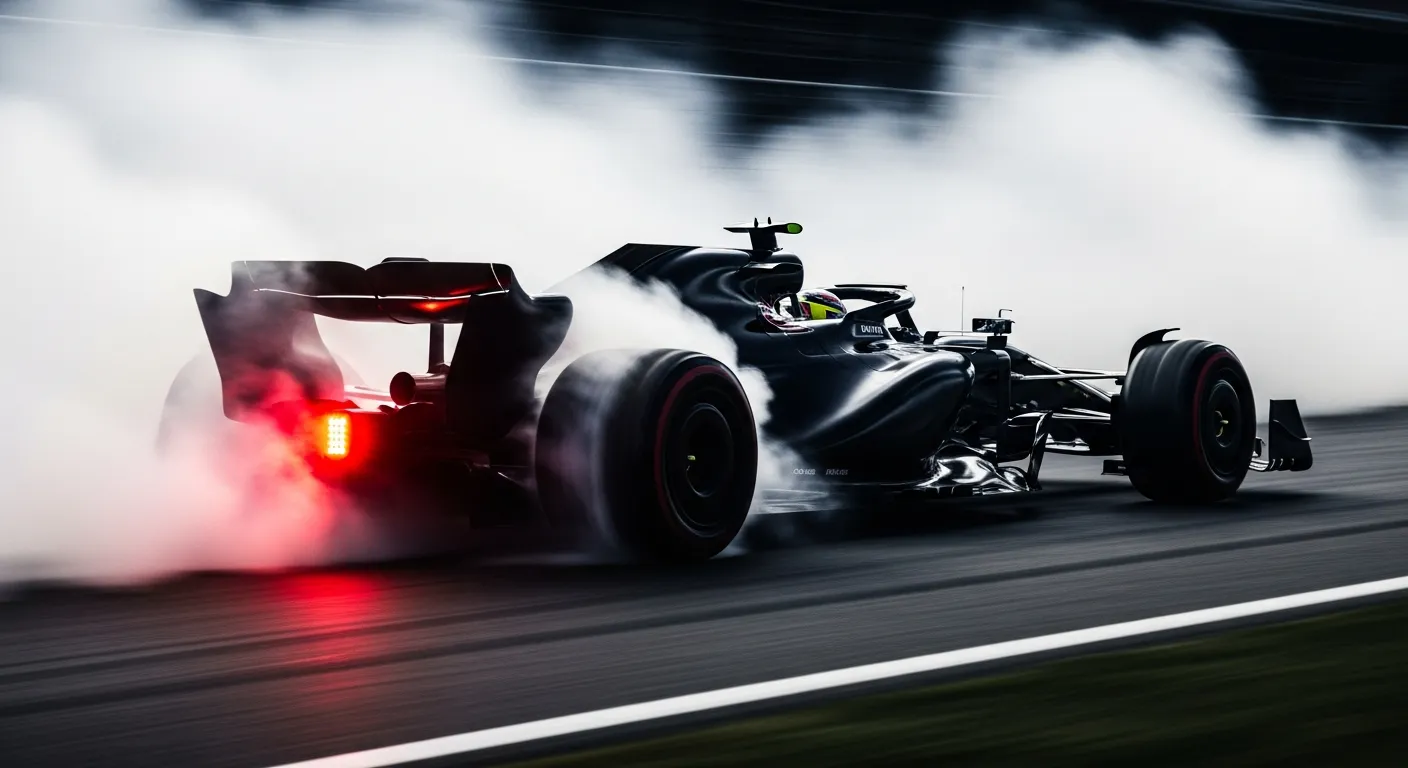
Oracle Red Bull Racing's performance at the permanent Hungaroring circuit has evolved significantly, transitioning from early struggles to a dominant force, particularly in recent years. The team has made 21 starts at the Hungarian Grand Prix, a testament to their enduring presence in Formula 1.
Their initial appearances at the Hungaroring, from 2005 to 2008, saw them largely outside the points, with a best finish of 5th in 2006. The tide began to turn in 2009 with a podium finish, signaling a growing understanding of the circuit's unique demands. The team's first victory arrived in 2010, a significant milestone that demonstrated their ability to master the circuit's characteristics. This period marked a crucial phase in Red Bull's development as a front-running team, laying the groundwork for future successes.
Following their inaugural win, Red Bull consistently challenged for top positions. They secured another victory in 2014 and have accumulated a total of 11 podium finishes. The Hungaroring, with its tight, twisty layout and emphasis on aerodynamic grip, often plays to the strengths of a well-balanced chassis. Red Bull's design philosophy, frequently prioritizing downforce and mechanical grip, has historically found a strong footing here, allowing their cars to excel in the circuit's demanding second and third sectors. This approach often draws comparisons with how other teams, like Mercedes at the Hungarian Grand Prix, adapt their car concepts to this particular challenge.
In the current era, Oracle Red Bull Racing has established a formidable presence, securing back-to-back wins in 2022 and 2023. These recent successes, powered by the Red Bull Powertrains-Ford unit, underscore the team's comprehensive package. While engine performance is less critical on the Hungaroring's short straights compared to circuits with higher power demands, such as those encountered by Mercedes at the Canadian Grand Prix, the Red Bull Powertrains-Ford unit's driveability and energy recovery capabilities still contribute significantly to overall lap time. The team's ability to extract maximum performance from their package on a track that demands high-downforce setups and precise handling has been a hallmark of their recent championship campaigns, as frequently highlighted on the Formula 1 — official site.
Beyond the car itself, Red Bull's strategic calls and driver performances have been pivotal. The Hungaroring is often referred to as 'Monaco without the walls' due to its difficulty in overtaking, making qualifying and pit strategy paramount. The team's strategists have frequently demonstrated an adeptness at navigating these challenges, turning strong qualifying positions into race results. The comprehensive nature of Formula One competition means that every element, from car design to race strategy, must align for success. The data from sources like Jolpica/Ergast — 2026 season data consistently shows how Red Bull has leveraged these aspects to their advantage at this circuit. With 4 wins and 11 podiums from 21 starts, Red Bull Racing has cemented its status as a leading contender at the Hungarian Grand Prix, showcasing a deep understanding of the circuit's demands, from aerodynamic efficiency to tire management on the permanent track surface.