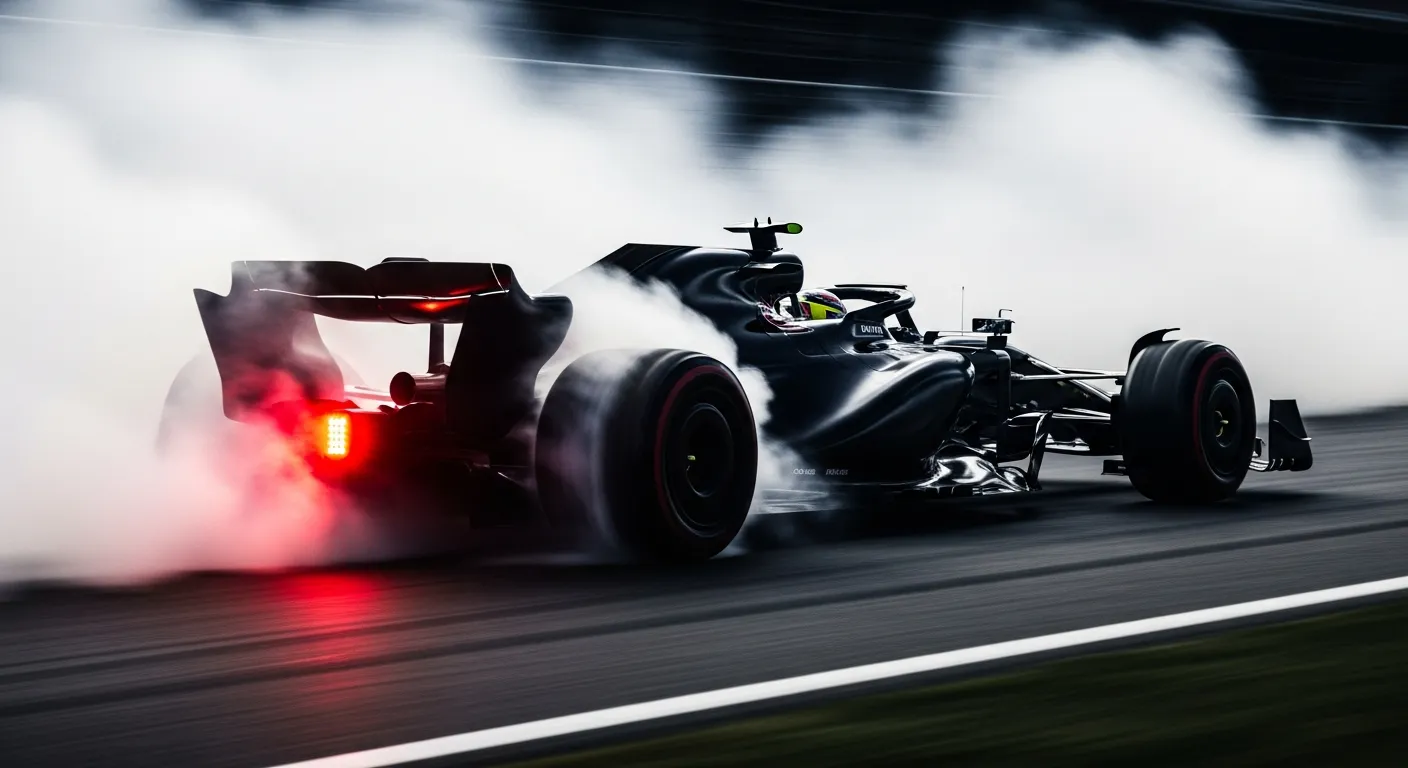
The Mercedes-AMG PETRONAS F1 Team's journey at the Azerbaijan Grand Prix has been a compelling narrative of both dominant victories and unexpected challenges, reflecting the unique demands of the Baku City Circuit. With three wins, seven podiums, and one memorable 1-2 finish from nine starts, Mercedes has demonstrated periods of exceptional performance here, particularly in the earlier years of the event. Their initial success was swift, securing a victory in 2016 when the race was known as the European Grand Prix, followed by further wins in 2018 and 2019, the latter being a dominant 1-2 finish that showcased the W10's formidable balance.
Baku, a high-speed street circuit, presents a fascinating engineering paradox. Its incredibly long main straight demands a low-drag aerodynamic setup to maximize the Mercedes power unit's potential, allowing for high top speeds essential for overtaking. However, this must be delicately balanced with the need for significant mechanical grip and precise steering response through the tight, technical sections, particularly around the historic Old City walls and the numerous 90-degree corners. This inherent compromise often dictates a car's competitiveness here, and Mercedes has, at times, found this balance perfectly, while at others, struggled to adapt their car concept.
The 2021 Azerbaijan Grand Prix stands out as a stark contrast to their earlier successes, where the team recorded a best finish of 12th and zero points. This performance highlighted the sensitivity of their car's setup to the specific characteristics of the Baku circuit, particularly as regulations and car philosophies evolved within Formula 1, as documented on the Formula 1 — official site. While they've returned to the podium in subsequent years, including a P3 in 2022 and projected podiums in 2024 and 2025, the outright dominance seen in 2019 has been harder to replicate. This mirrors some of the challenges faced by other top teams on street circuits that demand specific chassis characteristics, a dynamic often seen with Ferrari at the Singapore Grand Prix.
For Mercedes, the Baku circuit often serves as a barometer for their car's all-around capability, testing both straight-line efficiency and low-speed cornering prowess. The team's ability to extract performance from the Mercedes power unit on the long straights is a given, but the crucial factor often lies in their chassis' responsiveness and tire management through the slower, twisty sections. Unlike circuits like Ferrari at the Italian Grand Prix where raw power dominates, Baku demands a holistic approach. Understanding the evolution of Formula 1 car design and its impact on performance at specific tracks can be further explored via resources like Wikipedia: Formula One. The data from Jolpica/Ergast — 2026 season data provides a detailed look at how teams perform over time, showing Mercedes' consistent, if sometimes inconsistent, presence at the sharp end of the grid in Baku, often in direct competition with rivals like Ferrari at the Azerbaijan Grand Prix.
Ultimately, Mercedes' record at Baku is a testament to their engineering depth and strategic acumen, capable of adapting to a circuit that punishes even the slightest imbalance. Their performance here is always a key indicator of their car's strengths and weaknesses against the field.